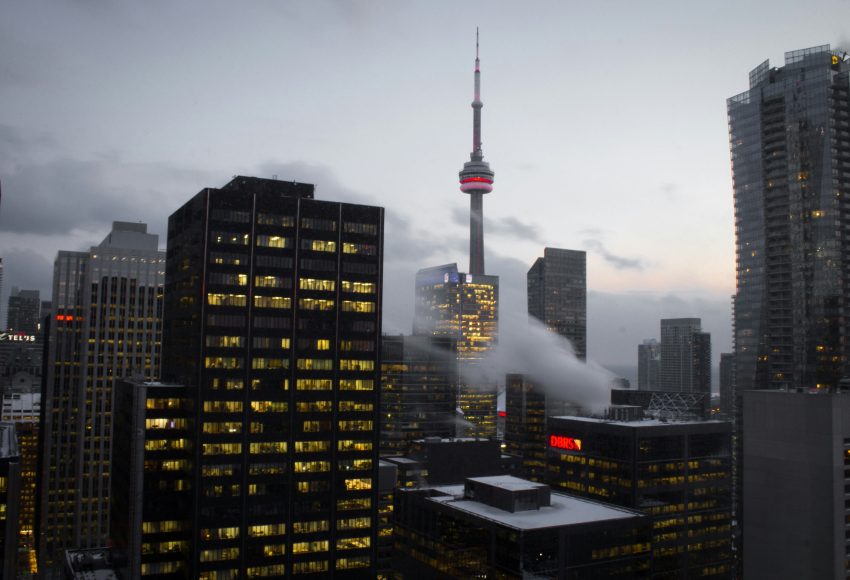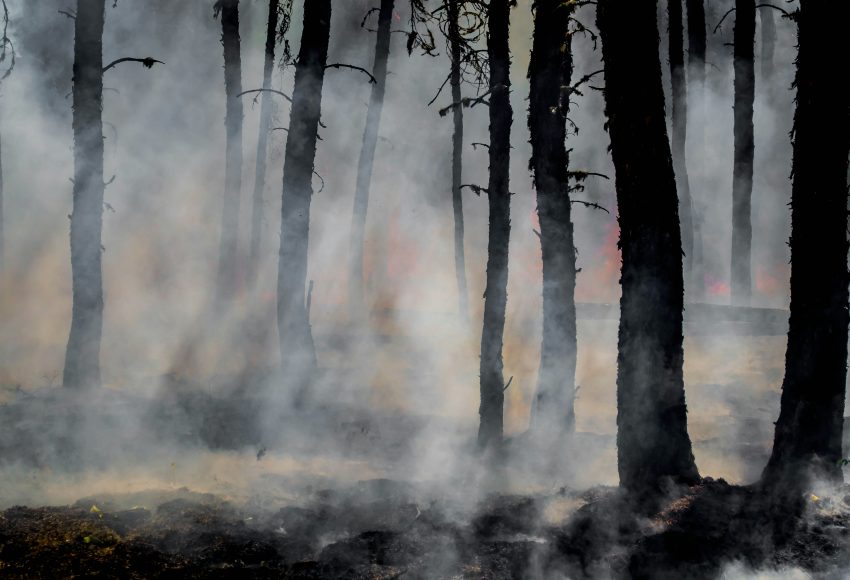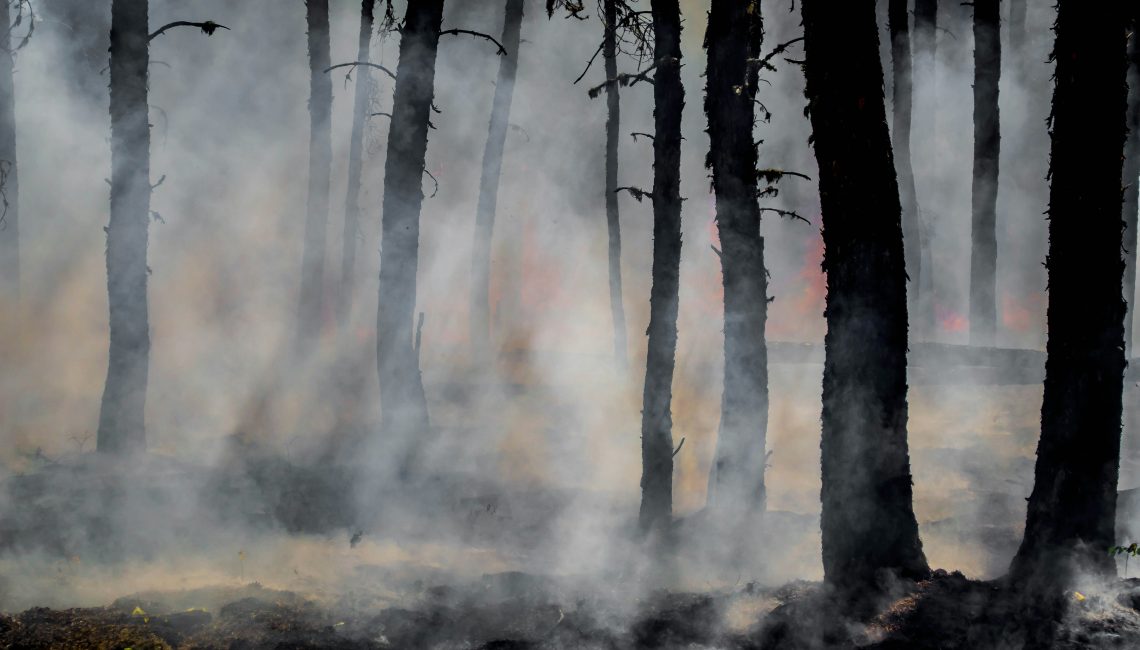
Wildfires may not be the first hazard Ontario homeowners think of, but the risk is growing. In recent years, large-scale wildfires in Northern Ontario, Quebec, and Western Canada have blanketed communities across the province in thick smoke — sometimes for weeks at a time. And while the fires themselves may be hundreds of kilometres away, the damage they leave behind can be surprisingly close to home.
What Home Insurance Typically Covers
Standard home insurance policies in Ontario cover sudden and accidental damage to your property. If a wildfire directly damages your home — destroying a structure, melting siding, or scorching landscaping — that damage is generally covered under the fire peril included in most policies.
If your home becomes uninhabitable due to a wildfire or a mandatory evacuation order, your policy’s additional living expenses coverage can help pay for temporary housing, meals, and other costs above what you’d normally spend. This applies whether the fire reaches your property or not — if authorities order you to leave, you may still be entitled to claim.
Smoke Damage: The Risk Most Homeowners Overlook
You don’t need to be anywhere near a wildfire to experience smoke damage. During the 2023 wildfire season, air quality warnings stretched across Southern Ontario as smoke from fires in Quebec and Northern Ontario drifted south.
Smoke particles can penetrate walls, carpets, and soft furnishings, leaving behind persistent odours that are expensive to remove. Soot can discolour painted surfaces and ceilings. HVAC systems can pull smoke-laden air through ductwork, contaminating the entire home long after the skies have cleared.
Whether this type of damage is covered depends on your specific policy. If the smoke results from a nearby fire considered a covered peril, your claim is more likely to be approved. But if smoke drifts in from a distant wildfire with no direct threat to your property, coverage becomes less certain — a grey area worth clarifying with your broker before you need to file a claim.
What Home Insurance Typically Does Not Cover
There are a few important exclusions to be aware of. Gradual damage from prolonged smoke exposure may not be covered if your insurer determines it occurred slowly rather than as a sudden event. Landscaping and outdoor features often carry sub-limits that fall short of actual replacement costs. Air quality and health-related expenses fall outside the scope of a property insurance policy entirely. And vehicles damaged by smoke or ash are covered under your auto policy’s comprehensive coverage, not your home policy.
What to Ask Your Broker
- Wildfire risk in Ontario is evolving, and your coverage should evolve with it. At your next policy review, consider asking:
- Does my policy cover smoke damage from wildfires that don’t directly threaten my property?
- Are there sub-limits on landscaping, fencing, or outdoor structures I should be aware of?
- Do my additional living expenses limits provide enough coverage if I’m displaced for an extended period?
- Are there endorsements available that would expand my wildfire-related coverage?
Be Prepared Before the Smoke Rolls In
Wildfire seasons are becoming longer, more intense, and less predictable. A conversation with your broker now — before an event — can save you significant stress and financial strain later.
→ Learn more about our Home & Property Insurance coverage options
Not sure how your policy handles wildfire smoke or heat damage? Our licensed brokers can help you find out.